
Baltimore Corporate Shuttle is a practical fit for conference groups, executive airport transfers, board-meeting arrivals, government-agency moves, and DC metro events that need clean timing and reliable staging.
Rooted in the Capital - DC-Metro Group Transportation
District Charters dispatches every ride from our DC-metro hub. We know I-395 HOV rules and I-495 rush patterns, the Kennedy Center curbside window on concert nights, the Nats-day M Street SE closures around Nationals Park, the Arlington Cemetery credentialing routine, the Wolf Trap concert-shuttle rhythm, and the IAD/DCA/BWI baggage-claim wait math. That's how we quote realistically - no surprise fees when your driver misjudges GW Parkway or I-66 evening rush.
Overview: Corporate Shuttle in Baltimore
Baltimore Corporate Shuttle work is different from a simple point-to-point transfer because the city mixes dense downtown activity with stadium traffic, hospital traffic, and waterfront hotel loading zones. Groups moving through the Inner Harbor, Harbor East, and the Baltimore Convention Center need vehicles that can stage cleanly and keep passengers together through changing curb conditions. Corporate planners also book Baltimore service for board meetings, agency visits, and regional offsites that connect to Washington DC, Northern Virginia, and suburban Maryland. That means the schedule has to account for real travel time on I-95, I-395, I-495, and the Wilson Bridge, not just mileage on a map. On busy weekdays, even short hops can become longer once game traffic or convention turnover stacks up. For that reason, Baltimore customers tend to value dispatch reliability, clear pickup windows, and a vehicle that fits the block as well as the group.
Baltimore also has a strong event-driven shuttle market, which is why sports shuttle and conference shuttle service are such common corporate uses. M&T Bank Stadium and Camden Yards create intense pregame and postgame movement, while CFG Bank Arena pulls concert and event traffic right into downtown Baltimore near the Convention Center. Preakness trips to Pimlico require a different timing approach because the racing calendar brings a very specific demand peak and a lot of curbside coordination. Johns Hopkins, especially the medical and university areas, adds steady weekday shuttle demand for executives, visiting faculty, and group transfers that do not want to split into multiple cars. Waterfront wedding shuttles from places like Sagamore Pendry and Four Seasons Baltimore also need careful loading plans because the best approach is often to keep the guest flow simple and the vehicle size matched to the curb. In Maryland, the best operators know when to stage early, when to avoid the heaviest blocks, and when to choose a smaller vehicle for tight streets.
Corporate Shuttle demand in Baltimore also overlaps with broader DC metro travel patterns, which is why many customers expect airport transfer coverage at BWI, DCA, and IAD in the same program. A Baltimore team may start at the Inner Harbor, then send executives to a meeting in Washington DC near the National Mall, Convention Center, or Kennedy Center, and finish with a Northern Virginia stop near Arlington or Tysons. That cross-region movement is common for government agencies, law firms, associations, and corporate boards that operate across Maryland and the DC metro area. It also explains why drivers need to be comfortable with downtown loading zones, stadium detours, and arterial corridors that change by hour. Rock Creek Parkway, GW Parkway, I-66, and I-270 matter most when the shuttle reaches deeper into Washington DC and Northern Virginia, while Baltimore routes still have to respect downtown congestion around the harbor and sports complex. The best Baltimore Corporate Shuttle plans are built on timing, curb space, and the reality that one trip can cross several very different traffic patterns.
Fleet Options for Corporate Shuttle in Baltimore
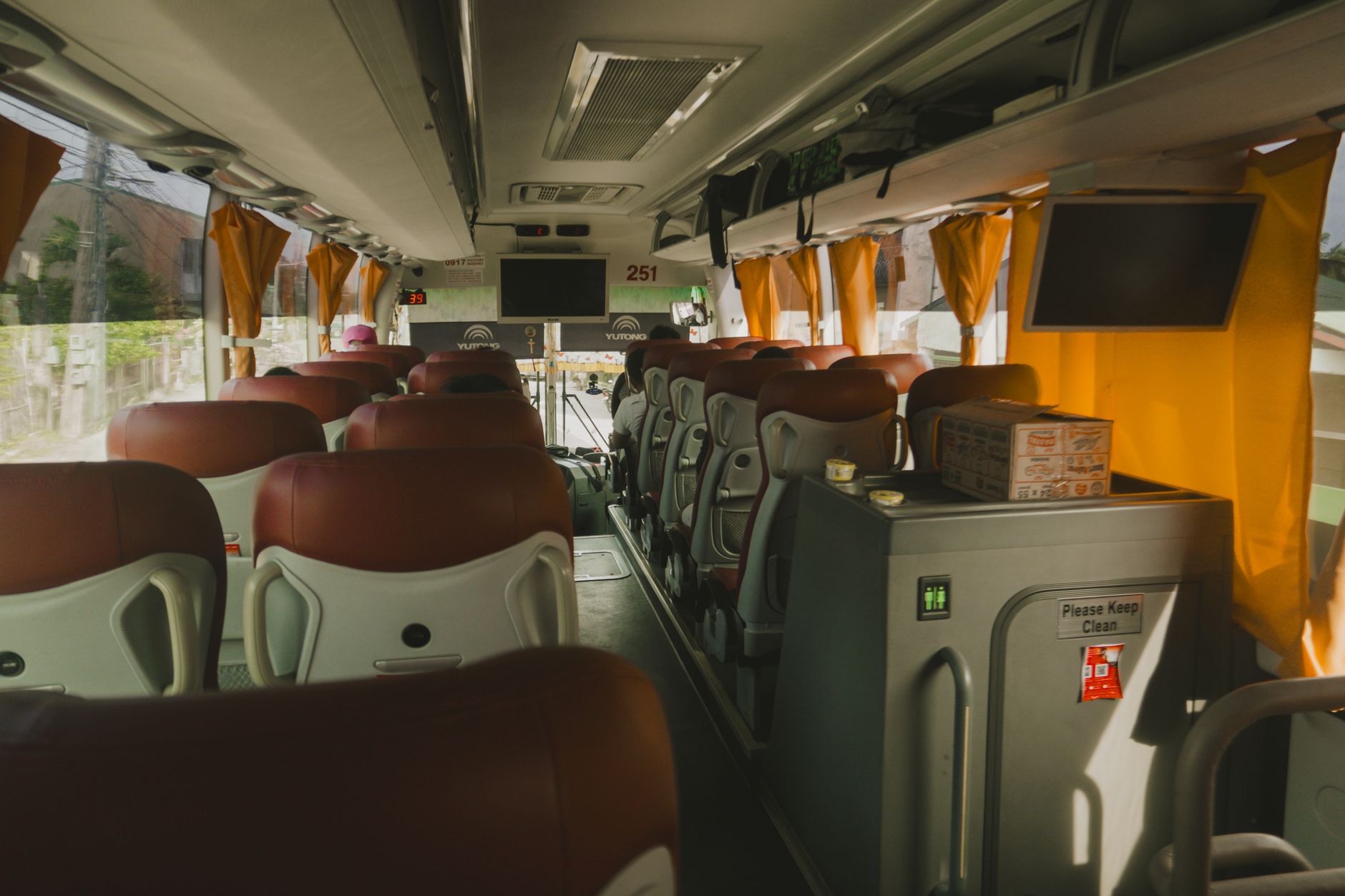
Choosing the right Corporate Shuttle in Baltimore starts with headcount, luggage, and the curb space available at the pickup and drop-off points. For a single office, a compact vehicle may be enough, but conference groups, board arrivals, and airport transfers usually need more room for bags and a cleaner loading flow. Baltimore neighborhoods like the Inner Harbor, Fells Point, and Federal Hill can have tighter streets and limited parking, so vehicle fit matters as much as capacity. For larger events at M&T Bank Stadium, Camden Yards, CFG Bank Arena, or the Baltimore Convention Center, it is often smarter to choose a coach that loads quickly and stages easily.
| Vehicle | Seats | Best For | Notes |
|---|---|---|---|
| Sprinter van | 10-14 pax | Use this for compact teams, airport transfers, or short Baltimore meetings where flexibility matters more than full coach capacity. | Best for executive airport transfer work, small board groups, and hotel-to-venue runs when the itinerary is tight or the curb space is limited. It gives good luggage room for a smaller headcount and is easier to place around downtown Baltimore, Harbor East, and waterfront hotels. |
| Mini coach | 20-35 pax | Use this for mid-size Baltimore corporate groups moving between the Inner Harbor, downtown hotels, Johns Hopkins, and suburban Maryland offices. | A strong middle option for conference shuttles, offsites, and recurring corporate loops where the group is larger than a van but does not need a full motorcoach. It balances comfort and luggage room without the staging burden of the largest vehicles. |
| Midsize coach | 35-45 pax | Use this for larger Baltimore events at CFG Bank Arena, Camden Yards, or convention hotels with steady guest movement. | Well suited for game-day movements, wedding shuttles, and larger airport transfer groups that need better seating and more dedicated cargo space. It is a practical choice when passengers want more comfort but the streets or parking areas are not ideal for the biggest bus. |
| Full-size charter bus | 47-56 pax | Use this for large Baltimore conference shuttles, sports shuttle service, and high-volume event transport from the DC metro area. | Best when the group is near the upper end of the range, luggage is heavy, or the itinerary includes a single large load-in and load-out. It handles the biggest passenger counts efficiently but needs more room to stage near venues and in crowded downtown corridors. |
Routing, Timing, and Local Realities
Routing in Baltimore starts with knowing which side of downtown the group is actually using. The Inner Harbor, Harbor East, and the Baltimore Convention Center are easier to manage when the vehicle arrives early and uses a clearly assigned staging point instead of circling for the curb. M&T Bank Stadium and Camden Yards can look close on a map, but game-day traffic and lot access make the loading plan more important than the mileage. CFG Bank Arena adds its own downtown event rhythm, especially when concerts overlap with convention traffic or evening hotel arrivals. For executive airport transfers, BWI is the most natural airport for Baltimore pickups, while DCA and IAD are more common when the itinerary is tied to Washington DC or Northern Virginia. The practical rule is simple: build the schedule around the venue load-in, not just the departure time.
Trips that cross the DC metro area need even more buffer because the road network changes quickly by time of day. I-395, I-495, and I-66 can all add meaningful travel time during commute periods, and the Wilson Bridge approach is especially sensitive when a Baltimore group is heading toward Washington DC or back into Maryland. GW Parkway and Rock Creek Pkwy are not high-speed corridors for everyone, so they should be treated as scenic but constrained routing options rather than default shortcuts. If the itinerary includes the National Mall, Capital One Arena, Audi Field, or the Convention Center in Washington DC, curb rules and event-night staging become part of the cost and timing conversation. For groups coming from Baltimore into DC metro venues, it is smarter to assume rush-hour billable time than to hope the roads stay clear. That approach keeps board arrivals, agency moves, and corporate shuttle schedules from drifting off plan. For recurring programs, the route should be tested once and then refined by daypart, since a morning Hopkins move and an evening game shuttle behave very differently.
What This Typically Costs
Corporate Shuttle pricing in Baltimore and the DC-metro area usually follows hourly billing with 4-6 hour daytime minimums, and longer recurring contracts are common for conference weeks, board meetings, and multi-day campus moves. The biggest cost drivers are vehicle size, deadhead distance, parking or staging complexity, and traffic exposure on I-395, I-495, I-66, and the Wilson Bridge approach. Peak demand periods like cherry blossom season, prom and wedding Saturdays, inauguration week, Ravens and Orioles game days, and Preakness timing in Baltimore can tighten availability and push rates upward. Quotes should also account for driver gratuity, tolls, and fuel adjustments when routes span Maryland, Washington DC, and Northern Virginia. For airport transfer work, BWI, DCA, and IAD all price differently because the mileage and road time are not interchangeable. If a Baltimore program needs repeated pickups, a standby or recurring contract usually prices more efficiently than one-off dispatches.
What Baltimore Customers Usually Ask
What Baltimore venues create the most shuttle demand?
For a Baltimore Corporate Shuttle, the best fit depends on whether the group is moving people, luggage, or both. For short downtown transfers around the Inner Harbor, Harbor East, or the Baltimore Convention Center, a compact coach or sprinter-style vehicle can be easier to stage than a full-size bus. For conference shuttles or game-day movements to M&T Bank Stadium or Camden Yards, a larger coach is usually better because loading is faster and there is more room for coolers, signage, and event materials. If the plan includes hotel pickups at Sagamore Pendry, Four Seasons Baltimore, or multiple stops across Federal Hill and Fells Point, tighter vehicles can help on narrow streets and busy curb space.
Can a Corporate Shuttle handle airport transfers from Baltimore?
The biggest demand spikes in Baltimore usually come from Inner Harbor conferences, Ravens games at M&T Bank Stadium, Orioles games at Camden Yards, concerts and events at CFG Bank Arena, and spring racing traffic tied to Pimlico and Preakness. Johns Hopkins meetings and hospital-related moves also generate steady weekday shuttle work, especially when groups split between East Baltimore, downtown, and suburban Maryland. Corporate and government travelers often pair Baltimore with Washington DC destinations such as Convention Center events, the National Mall corridor, the Kennedy Center, Capital One Arena, Audi Field, and Northwest Stadium in Landover. That mix makes Baltimore a strong market for both same-day shuttle loops and multi-day recurring service.
How does Baltimore traffic affect shuttle timing?
Yes, Baltimore Corporate Shuttle work often includes airport transfers through BWI, and in some cases DCA and IAD for executives or teams connecting across the DC-metro area. BWI is the most natural fit for Baltimore hotels, Harbor East offices, and waterfront venues, while DCA and IAD usually make sense when the itinerary is tied to Washington DC, Northern Virginia, or a federal-campus meeting. For airport runs, build in luggage space, early arrival buffers, and real traffic time on I-95, I-195, I-495, and the approaches into downtown Baltimore. If a flight lands during commuter peaks, the quote should reflect the extra time needed to move a full group cleanly.
Do you offer shuttle service for Ravens and Orioles games?
Baltimore shuttle timing is heavily affected by weekday commute patterns, game-day congestion, and chokepoints on I-95, I-395, I-495, and the Wilson Bridge corridor when trips connect into DC metro. Downtown hotel pickups can move quickly off-peak, but Inner Harbor, Harbor East, and the Convention Center area can slow down sharply when there is an arena event, a convention changeover, or heavy curbside rideshare activity. On the Baltimore side, staging near M&T Bank Stadium and Camden Yards is very different from trying to load near Fells Point or Federal Hill, where streets are tighter and curb space is limited. For Washington DC departures, rush-hour time on Rock Creek Parkway, GW Parkway, and the Potomac crossings should be treated as billable travel time, not free dead time.
Is Baltimore a good fit for recurring corporate shuttles?
Yes, Ravens and Orioles game shuttles are a natural use case for Baltimore Corporate Shuttle service, especially for DC metro groups coming from Maryland, Washington DC, or Northern Virginia. M&T Bank Stadium and Camden Yards sit close enough to the Inner Harbor that traffic and curb control matter more than distance, so an organized drop-off and return plan is usually better than improvising with multiple rideshares. For corporate outings, a bus or shuttle also keeps the group together before and after the game, which helps when restaurants, bars, and postgame traffic are all stacked around downtown Baltimore. For larger groups, the best plan is usually an early arrival window and a preassigned pickup point away from the heaviest exit congestion.
What information should we have ready for a Baltimore quote?
Baltimore is a strong fit for recurring Corporate Shuttle contracts because the city has steady demand from hospitals, universities, offices, hotels, and event venues. Johns Hopkins, downtown business districts, Harbor East, and the Inner Harbor all generate repeat patterns that can be scheduled as morning, evening, or shift-based loops. Many DC-metro employers also move teams between Baltimore and Washington DC for board meetings, agency events, or regional offsites, which makes recurring service more efficient than one-off dispatching. A standing contract is especially useful when the route crosses Maryland and DC metro traffic every day.
How far in advance should Baltimore corporate groups book?
Have the date, pickup address, destination, exact headcount, baggage needs, and the timing of every stop ready before requesting a Baltimore Corporate Shuttle quote. It also helps to note whether the trip is a one-way transfer, an hourly standby move, or a multi-day recurring program across Maryland and Washington DC. If the group will use hotel loading zones, stadium curbs, or convention center staging, that should be stated up front because those details affect the route plan and vehicle choice. The more specific the itinerary, the more accurate the quote and dispatch plan will be.
How to Book Your Corporate Shuttle
To book a Baltimore Corporate Shuttle, have the date, pickup address, headcount, destination, and any luggage or staging notes ready before requesting a quote. The fastest quotes usually come back within 4 business hours when the itinerary is clear and includes whether the move is one-way, hourly, or recurring across Maryland and Washington DC. Confirmation should spell out the vehicle type, timing window, routing assumptions, and any line items tied to tolls, gratuity, or fuel adjustments. For the smoothest dispatch, send the full pickup and drop-off list up front, especially if the route touches the Inner Harbor, Johns Hopkins, BWI, or downtown Baltimore event zones.
Related DC-Metro Transportation Pages
- Annapolis: Corporate Shuttle in Annapolis
- Laurel: Corporate Shuttle in Laurel
- College Park: Corporate Shuttle in College Park
- Frederick: Corporate Shuttle in Frederick
- Silver Spring: Corporate Shuttle in Silver Spring
- Other Baltimore services: Baltimore Charter Bus Rental
- Other Baltimore services: Baltimore Party Bus Rental
- Other Baltimore services: Baltimore Wedding Shuttle
- Other Baltimore services: Baltimore Sports Game-Day Shuttle
- Other Baltimore services: Baltimore Airport Transfer
- Other Baltimore services: Baltimore Prom Limo
- Other Baltimore services: Baltimore Funeral Procession
- Free quote: 60-second DC-metro group transportation quote