
District Charters handles Funeral Procession service across Capitol Hill, Washington DC, and the wider DC metro area for church-to-cemetery moves, family shuttles, and celebration-of-life transportation.
Rooted in the Capital - DC-Metro Group Transportation
District Charters dispatches every ride from our DC-metro hub. We know I-395 HOV rules and I-495 rush patterns, the Kennedy Center curbside window on concert nights, the Nats-day M Street SE closures around Nationals Park, the Arlington Cemetery credentialing routine, the Wolf Trap concert-shuttle rhythm, and the IAD/DCA/BWI baggage-claim wait math. That's how we quote realistically - no surprise fees when your driver misjudges GW Parkway or I-66 evening rush.
Overview: Funeral Procession in Capitol Hill
Capitol Hill funeral transportation is different from a simple point-to-point charter because the neighborhood sits next to the seat of federal government, Union Station, and some of the most controlled blocks in Washington DC. Families often start from a church, funeral home, or residence in the District of Columbia and then move to Arlington National Cemetery, Congressional Cemetery, Rock Creek Cemetery, or National Memorial Park. That means the vehicle has to fit both the passenger count and the operating environment, especially when curb space is limited near Eastern Market, Barracks Row, the Library of Congress, or the Capitol complex. Funeral Procession work in Capitol Hill also has to respect service timing, floral loading, and the need for quiet, orderly boarding. In the DC metro area, that usually means a more disciplined plan than what most people expect for a standard charter bus. District Charters builds the move around the route, the crowd size, and the level of ceremony.
Capitol Hill also draws a mix of families, clergy, military groups, and organizers who need transportation that feels respectful but still practical. A family may want a family shuttle for guests, a stretch SUV for close relatives, or a mini coach when the guest list is larger and the stop list includes a church, a reception, and a cemetery. In Washington DC, the biggest operational challenge is usually not distance but timing around federal activity and traffic on Independence Avenue, Constitution Avenue, I-395, and the approaches to the 14th Street Bridge. If the procession is heading toward Arlington National Cemetery, the schedule has to account for staging and the assigned arrival window, not just navigation. If the service is closer to Capitol Hill, parking and boarding can be easier in theory but harder in practice because session days and event traffic can tighten the curbs. That is why many DC metro families prefer one coordinator who can align the route, vehicle, and driver briefing.
For celebration-of-life transportation and memorial service shuttles, Capitol Hill is often the starting point for a longer day that may touch the National Mall, Kennedy Center, Union Station, or a reception venue near the Convention Center. The route can shift based on the time of day, because morning traffic into downtown, midday federal movement, and evening event release all affect the same streets differently. Families coming from Maryland suburbs such as Montgomery or Prince George's counties, Annapolis, or Baltimore may also need a smarter approach across I-495, the Wilson Bridge, or the Baltimore-Washington corridor before they ever reach the District of Columbia. Northern Virginia pickups from Arlington, Alexandria, Fairfax, Loudoun, or Prince William can be just as sensitive to I-395, I-66, and the GW Parkway. A good Capitol Hill funeral procession plan keeps those regional details in view so the family can focus on the service. District Charters uses that local knowledge to keep the move calm, punctual, and appropriately discreet.
Fleet Options for Funeral Procession in Capitol Hill
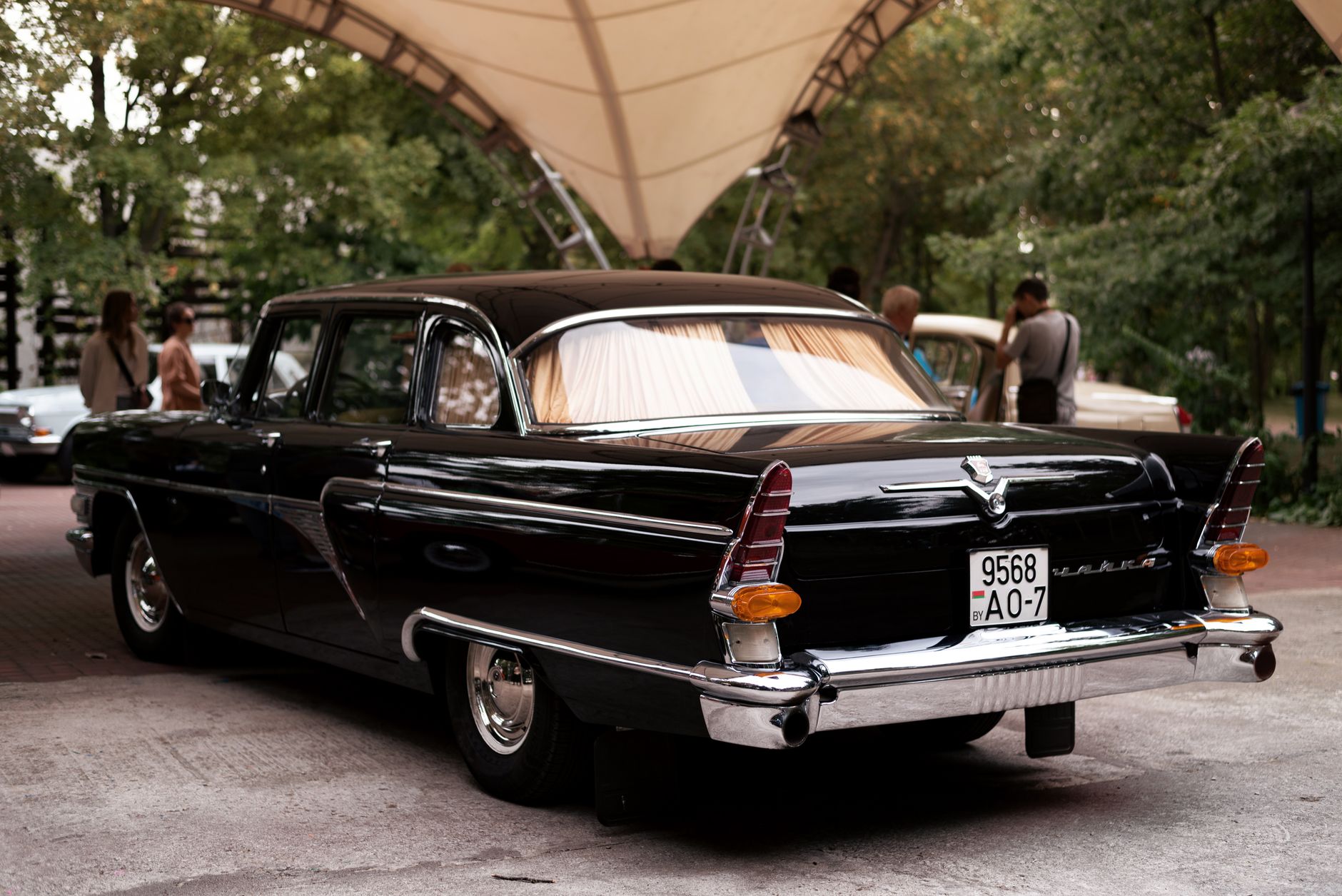
For a Funeral Procession in Capitol Hill, the right vehicle depends on whether the family is moving 10 guests or closer to 56, how much floral cargo needs to travel, and whether the group wants everyone in one vehicle or split between a lead coach and a family shuttle. In the District of Columbia, street fit matters as much as seat count because curbs around Eastern Market, Barracks Row, Union Station, and the House and Senate blocks can be tight. A sprinter van or stretch SUV works well for smaller, quieter moves, while a mini coach or charter bus gives more breathing room for longer waits and multiple stops in Washington DC. For Arlington National Cemetery runs, comfort and timing usually outweigh pure capacity because the procession has to stage cleanly and arrive on schedule.
| Vehicle | Seats | Best For | Notes |
|---|---|---|---|
| Sprinter van | 10 to 14 | Fits smaller family groups that want a quiet funeral procession or memorial service shuttle with easy curb loading and fast boarding. | Best for compact groups, modest floral pieces, and discreet movement through tighter Capitol Hill streets in Washington DC. |
| Stretch SUV | 8 to 20 | Works well for close family, clergy, or an immediate procession group that needs a polished but compact ride. | Offers a more private feel than a larger coach and is easier to manage on narrow blocks near the District of Columbia core. |
| Mini coach | 15 to 28 | Best when the Washington DC route includes multiple pickup points or a longer on-site pause at the funeral home or cemetery. | Adds seating and headroom for families balancing guests, flowers, and a modest wait before the cemetery or church service. |
| Charter bus | 29 to 56 | Fits larger funeral processions, memorial service shuttles, or celebration-of-life transportation with higher passenger counts. | Handles the largest family groups and keeps everyone together, but needs the most careful curb and parking planning in Capitol Hill. |
Routing, Timing, and Local Realities
Routing for a Funeral Procession in Capitol Hill starts with the destination, because Arlington National Cemetery has its own funeral schedule, staging areas, and arrival requirements. The cemetery has a defined funeral workflow, and families should plan to report well before the start time so the procession can be checked in and directed properly. That makes the departure from Capitol Hill more about controlled timing than raw speed. If the pickup is near Union Station, the Capitol complex, or Eastern Market, the dispatcher usually looks for the cleanest loading point away from pedestrian congestion and temporary restrictions. When the route crosses the river, the driver may favor Memorial Bridge or other direct connections depending on the day, but I-395 and the 14th Street corridor still need a live traffic check. In the District of Columbia, the best plan is the one that leaves enough cushion for federal security, parking controls, and any unexpected detours.
Capitol Hill also sits inside a traffic pattern that changes fast with session days, ceremonies, game nights, and major downtown events. Independence Avenue and Constitution Avenue can see rolling closures or no-parking controls around the Capitol and the National Mall, which is why a funeral procession should not be staged casually at the last minute. If the day also overlaps with a Nationals Park game, a Capital One Arena event, or a convention at the Convention Center, east-west and southbound congestion can build earlier than expected. Families moving from church to cemetery often benefit from a dispatcher check on the morning of service so the vehicle can avoid surprise delays on Rock Creek Parkway, the GW Parkway, or the airport approaches to DCA and IAD. For Maryland-originated guest shuttles, I-495 and the Wilson Bridge can be the difference between a clean arrival and a tight one. District Charters treats these routes as live operating corridors, not static map lines.
What This Typically Costs
Funeral Procession service in the DC metro area is usually priced as a 3 to 4 hour minimum, especially when the schedule has to be held for same-day dispatch, staging, and a cemetery arrival window. In the District of Columbia, the final rate usually depends on vehicle size, total mileage, deadhead from the garage, and whether the route runs into peak congestion on I-395, I-495, I-66, I-270, the GW Parkway, or across the Wilson Bridge. Seasonal demand can tighten availability and push pricing upward during cherry blossom weeks, prom season, wedding-season Saturdays, inauguration periods, and other major civic events around Capitol Hill and the National Mall. Common line items in the DC metro market include driver gratuity, fuel or toll adjustments, extra standby time, and any special staging or credentialing work for Arlington National Cemetery. For families arranging a funeral procession from Capitol Hill, District Charters typically quotes the route, wait time, and cemetery handling together so the District of Columbia plan stays clear before service day.
What Capitol Hill Customers Usually Ask
Can a funeral procession be arranged on the same day in Capitol Hill?
Yes. For a Capitol Hill funeral procession, the cleanest approach is to share the church or funeral home address, the cemetery, the headcount, and the service time as soon as possible so dispatch can lock the vehicle and driver. Arlington National Cemetery has a defined arrival window and staging workflow, so the plan has to be coordinated around that schedule rather than treated like a casual charter bus stop. Capitol Hill pickups often need a curbside briefing because street space near Eastern Market, Barracks Row, Union Station, and the House and Senate area is tighter than it looks on a map. If the family is moving between multiple stops in Washington DC or the DC metro area, the dispatcher should build in buffer time for traffic and loading.
What is different about Arlington National Cemetery transportation?
Arlington National Cemetery is not handled like a standard drop-off, because families and vehicles are expected to follow the cemetery's funeral schedule and staging instructions. For a funeral procession from Capitol Hill, the driver should be briefed in advance on the assigned arrival window, the entry point, and the route into the cemetery's processional flow. The pickup point in the District of Columbia should be timed so the motorcade reaches the staging area without sitting too long in traffic near I-395, Route 110, or Memorial Avenue. District Charters commonly treats this as a coordinated funeral procession rather than a simple airport transfer or charter bus move.
Will Capitol Hill streets affect the funeral procession route?
Capitol Hill itself is workable, but the operating window matters more than the address. Independence Avenue and Constitution Avenue can see rolling closures, security activity, and parking controls on session days, major ceremonies, and other federal events near the Capitol complex. That means a funeral procession, charter bus, or family shuttle may need a dispatcher check before confirming the exact curb and the best pullout spot. Union Station, Eastern Market, and the blocks near the Library of Congress can all require a smarter loading plan than a suburban pickup in the DC metro area.
What vehicle works best for a Capitol Hill funeral procession?
For 10 to 14 passengers, a sprinter van or stretch SUV is often the easiest fit when the family wants a private, discreet funeral procession in Washington DC. For roughly 15 to 28 passengers, a mini coach usually gives a better balance of seating, aisle comfort, and curbside handling in Capitol Hill. For 29 to 56 passengers, a full-size charter bus is usually the strongest option if the route includes multiple stops, larger family groups, or a longer wait at the cemetery. The right choice also depends on whether there is floral cargo, mobility assistance, or a need to keep the group together after the service.
How early should a funeral procession leave Capitol Hill?
If the ceremony begins near Capitol Hill, the best pickup time is usually set with a buffer for federal traffic and curb loading, not just the drive time on a map. Routes toward Arlington National Cemetery often need extra attention on I-395, Memorial Bridge approaches, and any backup around the GW Parkway or the Theodore Roosevelt Bridge area. If the family is coming from Maryland, the DC metro team may also need to account for I-495 rush, the Wilson Bridge, or I-270 connections before the procession even reaches downtown DC. When the service is downtown, the dispatcher will usually avoid last-minute staging right next to the Capitol complex if there is any chance of security closures or heavy pedestrian flow.
Do stadium or event days change funeral procession timing?
Yes, especially when the service day overlaps with a Nationals Park game, a large event at Capital One Arena, or a downtown convention at the Convention Center. Those events can change the traffic picture across Washington DC, including southbound and eastbound movement near the National Mall, Pennsylvania Avenue, and the river crossings. A funeral procession that looks simple in the morning can slow down fast by late afternoon if a sports shuttle wave, concert loadout, or government event release hits the same corridor. District Charters usually checks the live operating pattern before assigning the route for Capitol Hill.
How much luggage or floral cargo can the vehicle carry?
Floral vans, wheelchairs, folding equipment, and personal items all matter more than people expect on a Capitol Hill funeral procession. A sprinter van can work for a smaller family and a few floral pieces, while a mini coach or charter bus is better when the group needs room to settle in before a cemetery arrival. If the family plans to move between a church, a reception, and a cemetery in the District of Columbia, extra cargo space helps keep aisles clear and loading fast at each stop. The dispatcher should know in advance whether the service includes military honors, pallbearers, or a second family shuttle for guests who are not riding in the main vehicle.
How to Book Your Funeral Procession
To book a Funeral Procession in Capitol Hill, send the date, pickup address in Capitol Hill, passenger count, destination cemetery, and whether there are multiple stops in Washington DC or the DC metro area. The fastest quotes usually come back within 4 business hours once dispatch has the route, vehicle size, and timing details. Confirmation should spell out the pickup window, vehicle type, route notes, and any Arlington National Cemetery handling requirements, including credentialing and driver briefing. District Charters can then match the right coach, van, or limo to the service and keep the District of Columbia move on schedule.
Related DC-Metro Transportation Pages
- Navy Yard: Funeral Procession in Navy Yard
- The Wharf: Funeral Procession in The Wharf
- H Street: Funeral Procession in H Street
- Downtown DC: Funeral Procession in Downtown DC
- Arlington: Funeral Procession in Arlington
- Other Capitol Hill services: Capitol Hill Charter Bus Rental
- Other Capitol Hill services: Capitol Hill Party Bus Rental
- Other Capitol Hill services: Capitol Hill Wedding Shuttle
- Other Capitol Hill services: Capitol Hill Corporate Shuttle
- Other Capitol Hill services: Capitol Hill Sports Game-Day Shuttle
- Other Capitol Hill services: Capitol Hill Airport Transfer
- Other Capitol Hill services: Capitol Hill Prom Limo
- Free quote: 60-second DC-metro group transportation quote