
Corporate Shuttle in Georgetown is usually booked for employee shuttles, airport transfers, board arrivals, and DC metro event movements that need reliable timing.
Rooted in the Capital - DC-Metro Group Transportation
District Charters dispatches every ride from our DC-metro hub. We know I-395 HOV rules and I-495 rush patterns, the Kennedy Center curbside window on concert nights, the Nats-day M Street SE closures around Nationals Park, the Arlington Cemetery credentialing routine, the Wolf Trap concert-shuttle rhythm, and the IAD/DCA/BWI baggage-claim wait math. That's how we quote realistically - no surprise fees when your driver misjudges GW Parkway or I-66 evening rush.
Overview: Corporate Shuttle in Georgetown
Georgetown Corporate Shuttle service works best when the plan is built around the neighborhood, not just the address. Corporate groups here are usually moving between Georgetown University, the Four Seasons, the Ritz-Carlton Georgetown, the Georgetown Waterfront, and downtown meeting space in K Street or around the Convention Center. The typical customer is an executive team, conference organizer, government office, law firm, or hospitality planner who needs reliable timing in Washington DC and does not want to gamble on a last-minute rideshare stack. Georgetown adds a layer of curbside complexity because the streets are older, the sidewalks are narrow, and some blocks are simply not practical for a larger coach. That is why a Corporate Shuttle in Georgetown needs both a vehicle plan and a loading plan. For many groups, the best setup is to stage the bus a block or two away and walk guests into the final stop.
Georgetown also sees a steady flow of event traffic that is different from the rest of the DC metro area. Wedding groups use the neighborhood for waterfront celebrations, hotel arrivals, and photo-heavy itineraries around the C and O Canal, the waterfront, and nearby landmark hotels. Corporate clients use Georgetown for board meetings, offsites, investor dinners, client entertainment, and executive airport transfer schedules that need a polished arrival. When the day includes Kennedy Center connections, National Mall meetings, or a Capitol Hill follow-on, the shuttle has to be sequenced so the group is not trapped in Georgetown traffic at the wrong hour. The Whitehurst Freeway, K Street, and the Rock Creek Parkway corridor shape how a bus gets in and out, especially for mid-day moves. Good dispatching in Georgetown is less about distance and more about sequencing.
Most Georgetown Corporate Shuttle bookings come from groups that need consistency more than flash. That means conference planners, agency staff, law firms, nonprofit teams, and companies bringing visitors into Washington DC from IAD, DCA, or BWI. A lot of these trips connect Georgetown with Arlington, Alexandria, Fairfax, Montgomery County, Prince George's County, or Baltimore, which means the route can quickly become a Beltway or bridge-time conversation. The Wilson Bridge, I-495, I-395, I-66, I-270, GW Parkway, and Rock Creek Pkwy all affect arrival windows even when the final drop is only a few blocks from the waterfront. For the best result, the shuttle should be matched to both the headcount and the schedule pressure. In Georgetown, the right Corporate Shuttle feels invisible because the routing, staging, and timing were done before the bus ever reached Wisconsin Avenue.
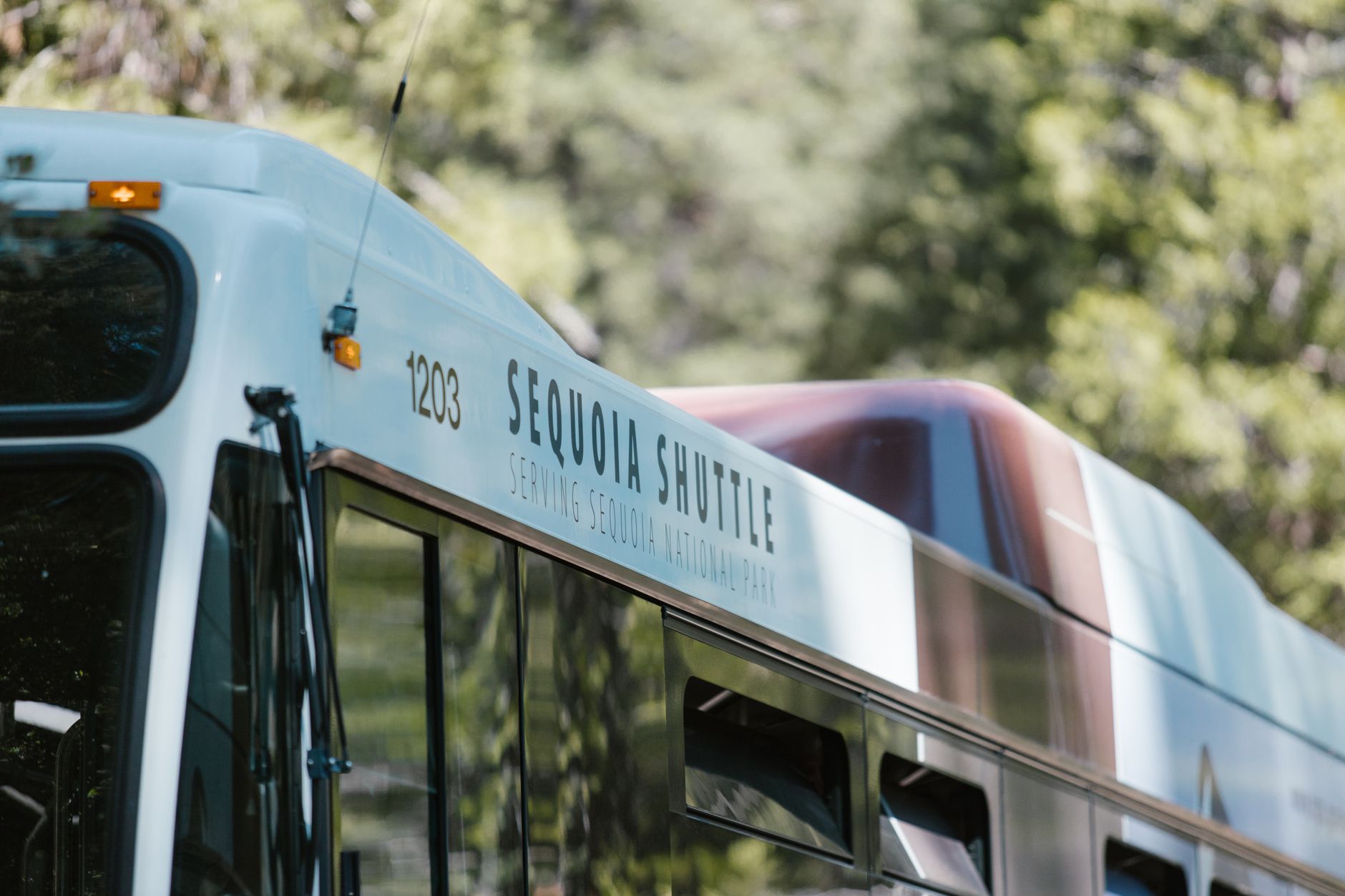
Fleet Options for Corporate Shuttle in Georgetown
Choosing the right Corporate Shuttle in Georgetown starts with the group size, the amount of luggage, and how close the vehicle must get to the final curb. Executive airport transfers and board arrivals often work best in sprinter vans or mini coaches, while conference shuttles and offsites usually need larger coaches or multiple vehicles. Georgetown's cobblestone side streets, brick sidewalks, and tight loading pockets can make a 45-passenger coach awkward on the narrowest blocks, especially near Wisconsin Avenue and M Street. For that reason, the right fleet choice is not just about seat count; it is also about street fit, recovery space, and where the bus can safely stage after drop-off.
| Vehicle | Seats | Best For | Notes |
|---|---|---|---|
| Sprinter van | 10-14 | Use this for small leadership teams, VIP transfers, or quick DC metro hops with minimal baggage. | Best for executive airport transfer, small board arrivals, and hotel-to-office moves in Georgetown when the group carries briefcases or light luggage. It is the easiest option for tight loading zones and short curbs near the Waterfront, Wisconsin Avenue, and campus edges. |
| Mini coach | 20-30 | Use this when the group has airport luggage, hotel pickups, or a half-day corporate shuttle loop. | A strong fit for conference shuttles, offsite runs, and recurring corporate contracts that need more comfort than a van but less footprint than a full-size bus. It usually handles carry-ons, presentation materials, and a more relaxed ride through Washington DC traffic. |
| Mid-size charter bus | 35-40 | Use this for medium corporate groups that need efficiency without booking the biggest coach available. | Good for employee shuttles, client events, and larger board or training groups that still need a vehicle flexible enough for Georgetown loading conditions. The extra interior room helps when the itinerary runs through downtown DC, the Kennedy Center, or the Convention Center. |
| Full-size motorcoach | 45-56 | Use this for large employee shuttles, convention transfers, and high-volume event movements across the DC-metro area. | Best for the upper end of the Georgetown corporate shuttle market when a conference, offsite, or multi-team move requires maximum capacity. It offers the most storage for luggage and materials, but it usually needs smarter staging, often near K Street under the Whitehurst Freeway rather than deep on Wisconsin Avenue. |
Routing, Timing, and Local Realities
Routing a Georgetown Corporate Shuttle takes a real-world view of Washington DC traffic, especially when the day starts or ends near I-395, I-495, or I-66. If the vehicle is coming from Virginia, the Potomac crossings and the GW Parkway approach can change everything, and Kennedy Center or downtown traffic can ripple into Georgetown very quickly. From the Maryland side, I-270 and the Beltway often set the clock for arrivals from Montgomery County, while Prince George's County and the Wilson Bridge can affect east-side timing. For airport transfer work, DCA usually gives the cleanest access into Georgetown, while IAD and BWI need more buffer because the corridor mileage is longer and more vulnerable to congestion. When a meeting starts on time, the shuttle should arrive early enough that the driver is not hunting for a curb in the middle of the rush. Georgetown is manageable, but only if the routing is planned as a timed sequence rather than a direct point-to-point run.
Parking and loading in Georgetown are the details that separate a smooth Corporate Shuttle from a frustrating one. A full-size coach often should not be asked to thread deep into the Wisconsin Avenue and M Street core if the pickup can be staged more cleanly near K Street under the Whitehurst Freeway. Georgetown University events, hotel departures, and waterfront restaurant groups all benefit from a prearranged spot where guests can board without blocking traffic or crossing busy pedestrian flow. On Kennedy Center concert nights, the load pattern can also interact with West End and downtown traffic, so the shuttle needs a recoverable pickup point rather than a guess. For Nationals Park or Audi Field connections, the issue is less Georgetown curb space and more how the timing lines up with game-day closures and postgame congestion. Even a simple corporate shuttle in Georgetown becomes a better operation when the dispatcher chooses the curb before the driver enters the neighborhood.
What This Typically Costs
Corporate Shuttle pricing in Georgetown usually follows DC-metro group-transportation rules: 4-6 hour minimums for daytime work, with multi-day recurring contracts common for conference weeks, offsites, and board schedules. Quotes are shaped by vehicle size, pickup count, deadhead mileage, parking difficulty, and whether the run touches I-395, I-495, I-66, or airport corridors to IAD, DCA, and BWI. In Georgetown, loading time matters as much as drive time because Wisconsin Avenue, M Street, and the streets near the Waterfront can slow a motorcoach even when the mileage looks short. Seasonal peaks such as cherry blossom weekends, prom season, wedding Saturdays, summer conference traffic, and inauguration windows usually push rates higher. Typical line items include driver gratuity, tolls or parking, fuel adjustments, and any standby or split-shift time needed for corporate shuttle schedules. The cleanest quotes build in rush-hour billable time instead of treating Georgetown as a quick in-and-out stop.
What Georgetown Customers Usually Ask
What is the best pickup strategy for Georgetown Corporate Shuttle service? a: The best strategy is usually to stage a little early and avoid last-minute curbside decisions on Wisconsin Avenue or M Street. Georgetown has tight sidewalks, limited loading space, and traffic that stacks up quickly near the Whitehurst Freeway, so a clean pickup plan matters. For larger buses, staging near K Street under the Whitehurst Freeway is often more realistic than trying to load directly on the narrowest Georgetown streets. When the schedule includes a board meeting, hotel arrival, or university event, the dispatcher should plan the pickup order before the vehicle reaches Georgetown.
For Georgetown Corporate Shuttle work, most corporate groups move best in the 10 to 56 passenger range, but the right answer depends on luggage, meeting materials, and whether the group is staying on one campus or moving between venues. Small executive teams often use sprinter vans or mini coaches for hotel-to-office transfers around K Street, the Kennedy Center, and downtown DC. Mid-size conference groups usually prefer mini coaches or 40 to 56 passenger buses when the schedule includes multiple hotel stops or airport pickups. If the group is headed into Georgetown around dinner, a smaller vehicle can also help with tighter loading zones near the Waterfront and M Street.
Airport transfer planning should account for the airport, the terminal, the time of day, and Georgetown traffic on the last mile into the neighborhood. DCA is usually the simplest airport for Georgetown because the trip stays inside the core DC metro area, while IAD and BWI require more corridor planning and more buffer time. A flight pickup for executives or visiting clients should include baggage time and a clear meeting point, especially when the group is arriving together for a conference or board meeting. Good airport transfer quotes also account for traffic on I-395, I-495, and GW Parkway depending on where the vehicle is coming from.
How does airport transfer planning work for Georgetown Corporate Shuttle trips?
Yes, Georgetown Corporate Shuttle service works well for Georgetown University events, alumni functions, executive briefings, and wedding groups headed to the Four Seasons or Ritz-Carlton Georgetown. It also fits trips tied to the Kennedy Center, National Mall meetings, or corporate dinners on the Georgetown Waterfront. The main constraint is street geometry, since coach staging near campus and along the waterfront is tighter than in most Washington DC business districts. For larger groups, the dispatcher should pre-plan the drop zone and recovery point so the shuttle does not circulate in Georgetown traffic longer than necessary.
Can a Corporate Shuttle serve Georgetown University and nearby event venues?
Rush hour can add real billable time to what looks like a short Georgetown trip, especially when the run touches I-395, I-495, I-66, or I-270. Morning inbound and late-afternoon outbound patterns can slow corporate shuttle timing all across the DC metro area, and the return leg often takes longer than the arrival. If a vehicle is connecting Georgetown to Arlington, Alexandria, Fairfax, Loudoun, Prince William County, or Montgomery County, build in traffic cushion for the crossing of the Potomac and the approach to the Beltway. For airport transfers and conference shuttles, the safest plan is to quote for the worst plausible corridor delay, not the best-case drive.
How do rush-hour corridors affect Georgetown Corporate Shuttle timing?
Common meeting points include hotel fronts, office entrances on the K Street side of town, Georgetown University pickup areas, and pre-arranged curb space near the Waterfront. For larger coaches, a meeting point away from the tightest brick-lined blocks is often easier for both the driver and the guests. K Street under the Whitehurst Freeway is a practical staging area for bigger equipment, while smaller vehicles can usually maneuver closer to the final destination. The right meeting point depends on whether the group is headed to a conference, a wedding, a board lunch, or an airport transfer.
Where do Georgetown Corporate Shuttle passengers usually meet the vehicle?
If the itinerary includes luggage, presentation boxes, or overnight bags, it is usually smarter to step up a class rather than book at the minimum seat count. Sprinter vans are ideal for executive teams with briefcases and carry-ons, while mini coaches give more room for conference materials and airport luggage. Full-size coaches make sense when a corporate shuttle needs to move a larger employee group or several departments together, but they are less forgiving on Georgetown's narrow loading geometry. Comfort improves quickly once the group has elbow room for a 30 to 60 minute transfer across the DC metro area.
What size vehicle should a Georgetown Corporate Shuttle group book for luggage and comfort?
The fastest quote comes from a full trip brief: date, pickup address in Georgetown, passenger count, luggage count, exact destination, and whether the trip is one-way or round-trip. It also helps to note whether the schedule includes airport transfer timing, recurring multi-day service, or a board-meeting arrival with hard start times. If the route may touch the Beltway, I-395, I-66, GW Parkway, or I-270, that should be included up front so the quote reflects the real travel window. The more specific the itinerary, the better the dispatcher can match the right vehicle and stage it correctly in Washington DC.
What should a company send when requesting a Georgetown Corporate Shuttle quote?
How to Book Your Corporate Shuttle
To book a Georgetown Corporate Shuttle, send the date, pickup address, headcount, luggage count, destination, and whether the trip is one-way, round-trip, or recurring. District Charters can usually turn around a quote within 4 business hours once the itinerary is clear. Confirmation should spell out the vehicle type, schedule, pickup details, and any routing notes for Georgetown loading or rush-hour corridors. For the fastest response, contact the dispatch team with the full DC metro plan instead of just the destination.
Related DC-Metro Transportation Pages
- Dupont Circle: Corporate Shuttle in Dupont Circle
- Foggy Bottom: Corporate Shuttle in Foggy Bottom
- Arlington: Corporate Shuttle in Arlington
- Chevy Chase: Corporate Shuttle in Chevy Chase
- Downtown DC: Corporate Shuttle in Downtown DC
- Other Georgetown services: Georgetown Charter Bus Rental
- Other Georgetown services: Georgetown Party Bus Rental
- Other Georgetown services: Georgetown Wedding Shuttle
- Other Georgetown services: Georgetown Sports Game-Day Shuttle
- Other Georgetown services: Georgetown Airport Transfer
- Other Georgetown services: Georgetown Prom Limo
- Other Georgetown services: Georgetown Funeral Procession
- Free quote: 60-second DC-metro group transportation quote